HST/WFC3
Time Variable Background
Time Variable Background
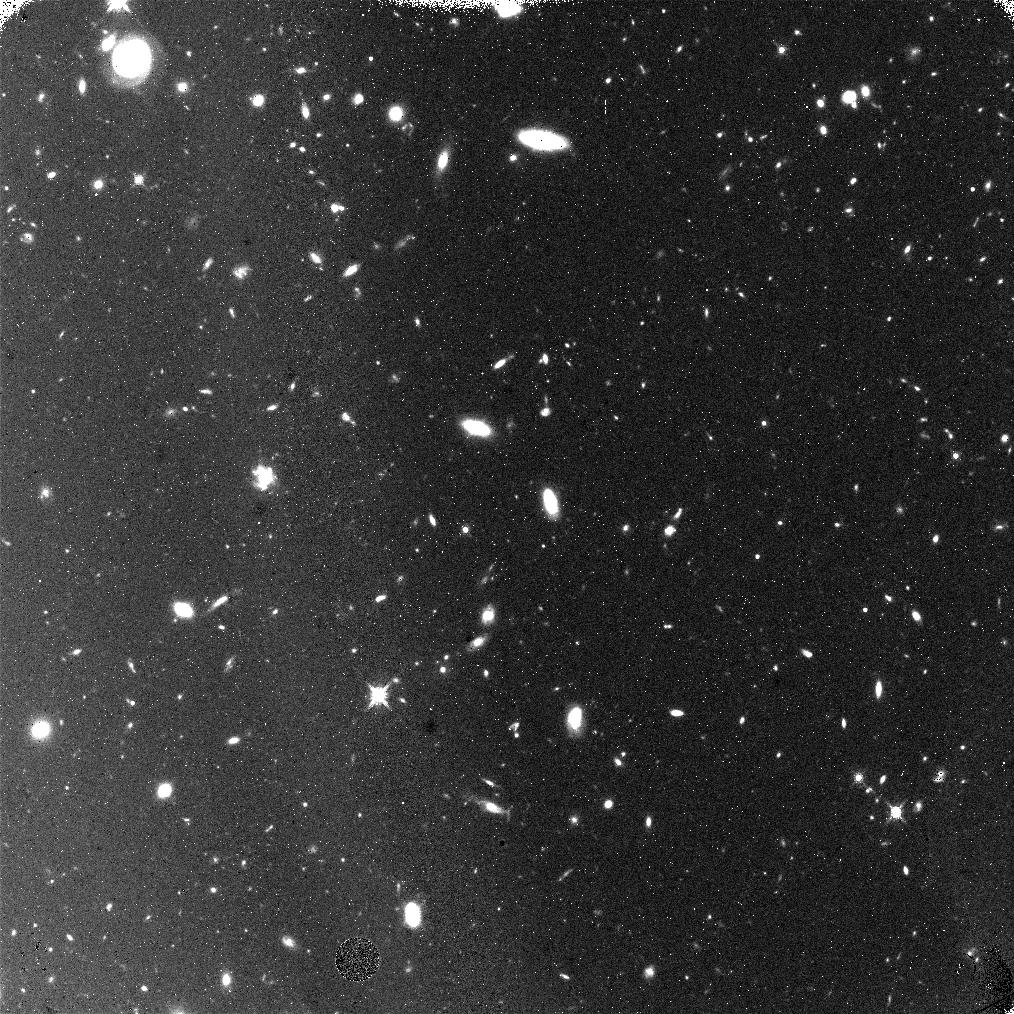
Time-variable background (TVB) is an artifact present in some WFC3/IR images and may be caused by external stray light entering the optical path. Sources of TVB may include He I emission from the Earth's upper atmosphere and scattered light from observing close to the Earth's limb. He I emission produces a spatially uniform signal across the detector and can occur at any point for any sets of reads in the exposure. Scattered light, on the other hand, typically occurs at the beginning or the end of the orbit at low Earth-limb angles. This causes an extended bright region along the left side of the detector that changes shape throughout the orbit. Strong TVB causes problems with calwf3 when performing "up-the-ramp" fitting, which is used to flag and reject cosmic rays. As a result, calibrated images may have increased noise, a non-Gaussian background distribution, or a spatially variable background. There is no indicator in the header for the presence of TVB in calibrated images. The presence of a variable background effect must be inferred manually by plotting the signal in individual ramps and through visual inspection of sky-background histograms. General Observers may miss this issue in their data if these detailed checks are not performed, and this may result in non-optimal science results. On this page, we present a new method of identifying TVB automatically. We recommend this to better aid the General Observer with identifying and correcting TVB in their science data.
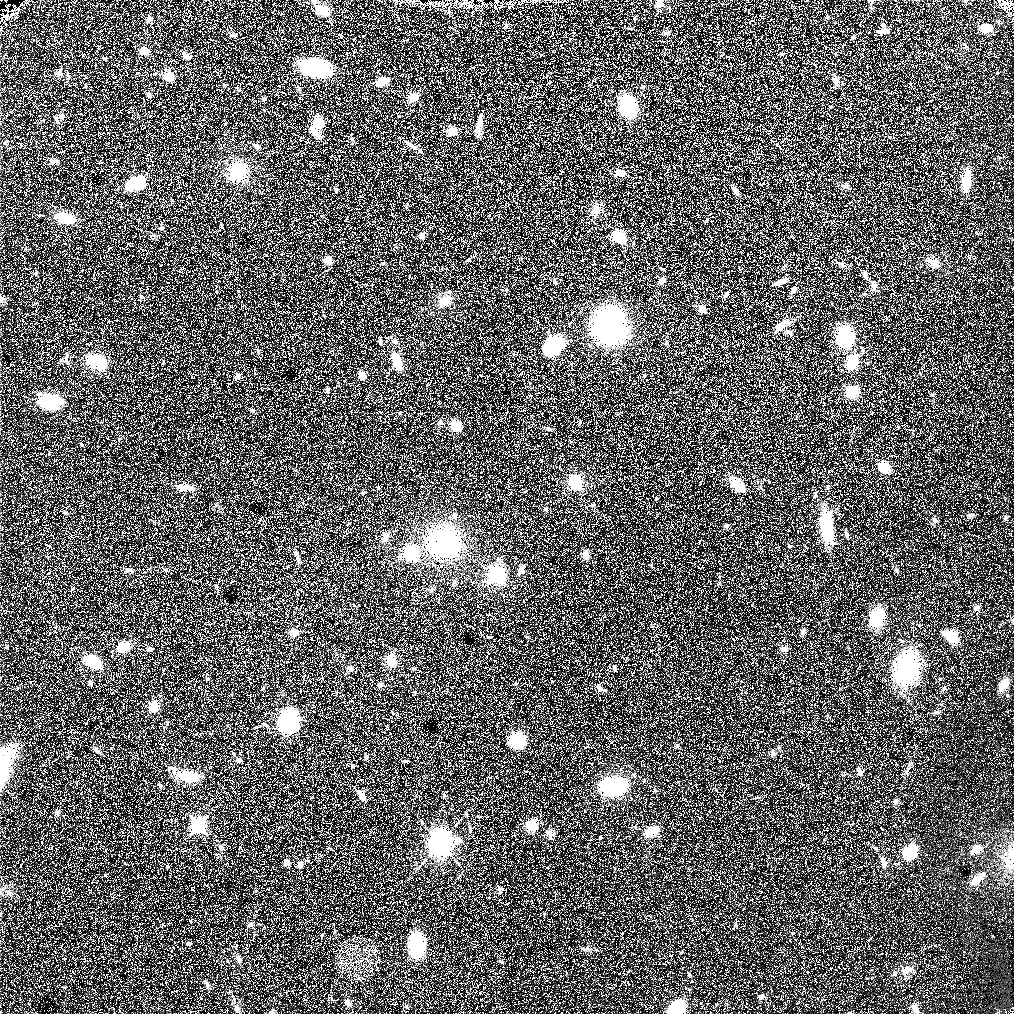
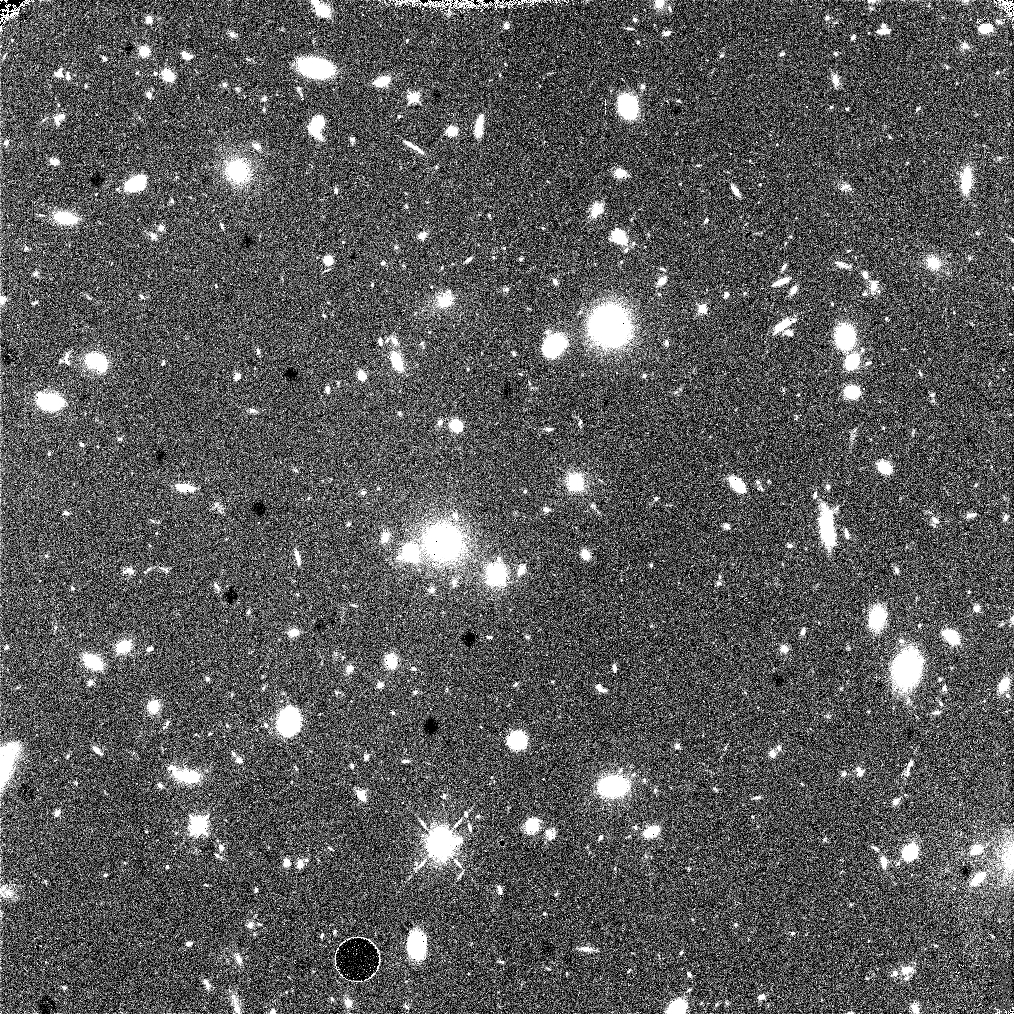
TVB caused by scattered light due to the Earth Limb can be recognized visually in images as it has a characteristic spatially-dependent appearance (See Figure 1). If the position of Hubble is such that the limb of the Earth is 40 degrees or less, there is a very large chance of inducing TVB. We calculate the position of the limb using HST's orientation available in the SPT file. TVB can also arise from airglow emission caused by the presence of Helium (He-I) in the upper layers of the Earth's atmosphere (see Figures 2 and 3). This Helium emission is observed exclusively in the F105W and F110W filters and can be identified by plotting the ramp and detecting non-linearities in the data.