ISR 2024-02: Improvements and Updates to the WFC3/IR Bad Pixel Tables Cycle 28-30
April 23, 2024K. Huynh & H. Khandrika


The Wide Field Camera 3 (WFC3) is a fourth-generation UVIS/IR imager aboard the Hubble Space Telescope (HST). WFC3 was installed in May 2009 during HST servicing mission 4, and replaces the Wide Field Planetary Camera 2 (WFPC2).
WFC3 is designed to ensure that HST maintains its powerful imaging capabilities until the end of its mission, while at the same time advancing its survey and discovery capability through WFC3’s combination of broad wavelength coverage, wide field of view, and high sensitivity. A key feature of WFC3 is its panchromatic wavelength coverage. By combining two optical/ultraviolet CCDs with a near-infrared HgCdTe array, WFC3 is capable of direct, high-resolution imaging over the entire wavelength range from 200 to 1700 nm. Equipped with a comprehensive range of wide-, intermediate-, and narrow-band filters, WFC3 has broad applicability to a variety of new astrophysical investigations.
WFC3 is a facility instrument. It was developed, constructed, characterized, and calibrated by an Integrated Product Team (IPT) led by NASA’s Goddard Space Flight Center (GSFC), and composed of staff astronomers and engineers from GSFC, STScI, Ball Aerospace & Technologies Corp., the Jet Propulsion Laboratory (JPL), and other industrial contractors.
Operating nominally
NEW: Cycle 32 Instrument Handbook
Data Quality Assessment Checklist (useful for Exception Reports)
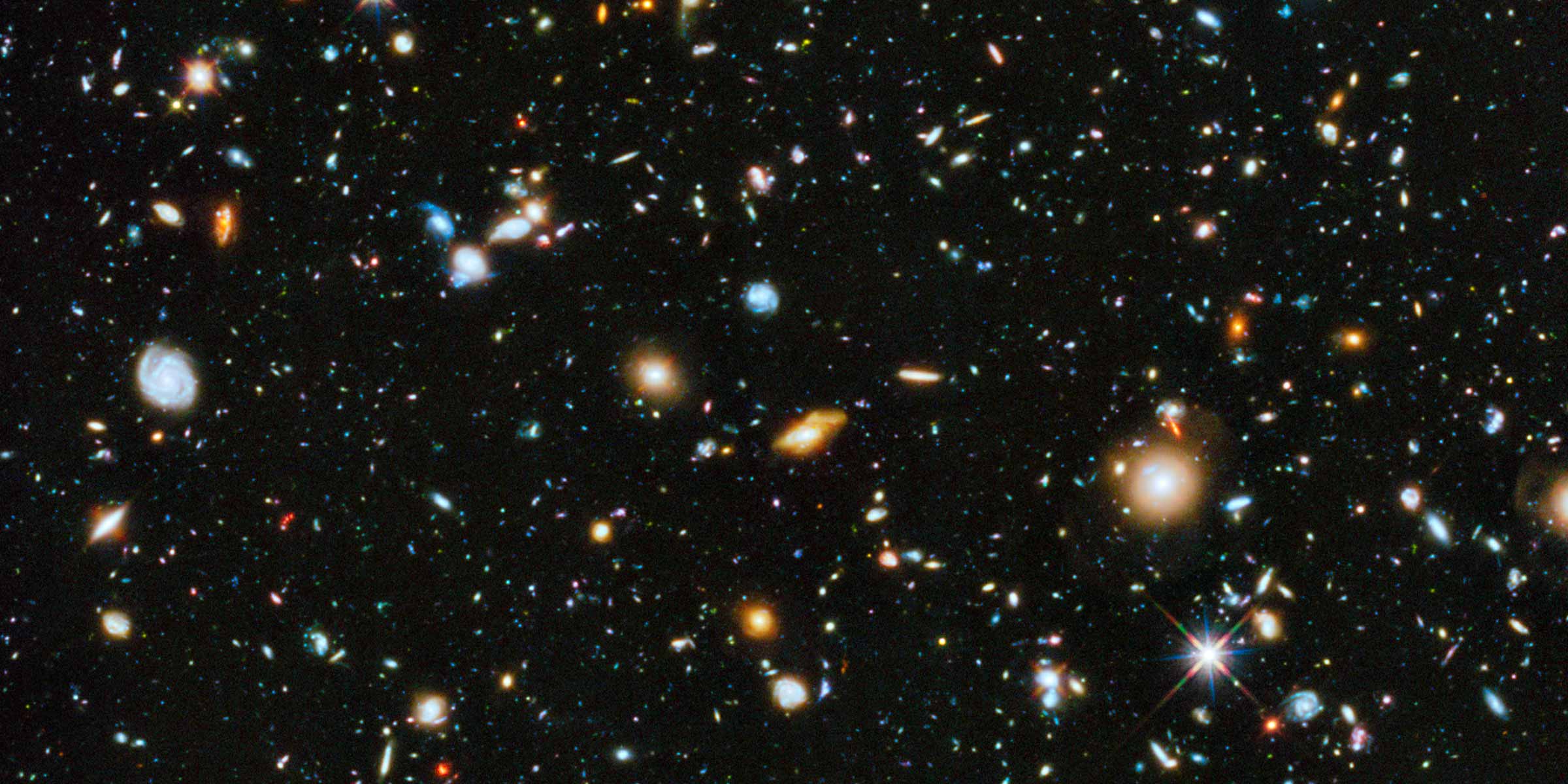
Learn more about this image at Hubblesite.org.

Learn more about this image at Hubblesite.org.

Learn more about this image at Hubblesite.org.

Learn more about this image at Hubblesite.org.

Learn more about this image at Hubblesite.org.